You've probably noticed that most insurance agent marketing advice sounds like it was written in 2015 and hasn't been updated since. "Start a Facebook page!" "Send a newsletter!" Great, thanks. But what does that actually look like when you're juggling client meetings, compliance reviews, and trying to hit your production goals? The truth is, insurance agent marketing has evolved into something far more systematic and repeatable than it used to be. If you're still relying on sporadic social posts and hoping referrals magically appear, you're leaving serious premium on the table. Let's talk about what's actually working right now for independent agents and advisors who need results, not theory.
Why Traditional Insurance Agent Marketing Feels Broken
Most agents stumble into marketing the same way: they try something they heard about at a conference, it doesn't work immediately, and they abandon it. Then they repeat the cycle with the next shiny tactic.
The problem isn't the tactics themselves. It's the lack of a repeatable system that ties everything together. You can't just throw content into the void and hope prospects respond. You need a framework that connects your outreach to actual client conversations.
Here's what that disconnect looks like in practice:
- You send an email about annuities, but the prospect doesn't understand how it applies to them
- You post on LinkedIn, get a few likes, but zero meeting requests
- You buy a list and send mailers that generate crickets
- You attend networking events and collect business cards that sit in a drawer
The missing piece? Client education that bridges the gap between awareness and action. When prospects don't understand what you do or why it matters to them specifically, no amount of marketing volume will move the needle. You need to turn complex financial concepts into conversations they can actually engage with.

The Shift From Broadcasting to Educating
Traditional insurance agent marketing was built on interruption: direct mail, cold calls, ads that screamed for attention. That worked when competition was lower and prospects had fewer options.
In 2026, your prospects are drowning in noise. They've been pitched a dozen times this month already. What cuts through isn't volume; it's clarity.
When you educate instead of pitch, something interesting happens. Prospects start to see you as a resource rather than another salesperson. They engage with your content because it helps them think through their own situation. And when they're ready to move forward, you're already positioned as the logical choice.
This is why understanding how to allocate your marketing budget effectively matters more than ever. You can't afford to waste time on channels that don't align with how your prospects actually make decisions.
Building Your Insurance Agent Marketing Foundation
Before you dive into specific tactics, you need three foundational pieces in place. Skip these and everything else falls apart.
Your Core Message (Not Your Elevator Pitch)
Stop trying to explain everything you do in 30 seconds. Instead, identify the one problem you solve better than anyone else in your market.
Are you the Medicare specialist who helps people avoid costly enrollment mistakes? The annuity advisor who helps retirees create guaranteed income they can't outlive? The business insurance agent who protects contractors from liability nightmares?
Your core message should complete this sentence: "I help [specific audience] solve [specific problem] so they can [specific outcome]."
Everything else in your marketing flows from this clarity. When prospects land on your website, read your emails, or see your social content, they should immediately understand whether you're relevant to their situation.
Your Client Education Library
You need a curated set of resources that explain key concepts in language your prospects actually understand. Not white papers. Not 50-page guides. Short, focused pieces that answer specific questions:
- What's the difference between term and permanent life insurance?
- How do annuities create guaranteed retirement income?
- What happens to my Medicare coverage when I turn 65?
- How does estate planning protect my family?
These resources serve multiple purposes. You send them before meetings to prepare prospects. You use them during meetings to illustrate concepts. You follow up with them after meetings to reinforce decisions.
The agents who win in 2026 aren't the ones with the biggest ad budgets. They're the ones who make it easiest for prospects to understand and act on their recommendations.
Your Follow-Up System
Here's where most insurance agent marketing dies: in the follow-up. You meet someone at a networking event, you connect on LinkedIn, you send one email... and then nothing.
You need a structured system for staying in front of prospects until they're ready to engage. That means:
| Follow-Up Element | Purpose | Frequency |
|---|
| Educational content | Build trust and credibility | Weekly or bi-weekly |
| Personalized outreach | Address specific situations | Monthly |
| Event invitations | Create engagement opportunities | Quarterly |
| Check-in touchpoints | Stay top-of-mind | As appropriate |
The key word is system. This can't depend on you remembering to do it. It needs to be automated, repeatable, and compliance-aware.
Online Lead Generation That Doesn't Feel Sleazy
Let's address the elephant in the room: most online lead generation for insurance agents feels like a race to the bottom. Generic landing pages. Bought leads that six other agents are calling simultaneously. Facebook ads promising free quotes that attract tire-kickers.
There's a better way, but it requires patience and a longer-term perspective.
Content That Answers Real Questions
The best insurance agents generating leads online aren't doing it with clickbait or gimmicks. They're creating genuinely helpful content that answers the questions their prospects are actually asking.
Start with your last 20 client conversations. What questions came up repeatedly? What concepts did you have to explain multiple times? Those are your content topics.
- Blog posts that explain complex concepts
- Short videos that break down common misconceptions
- Guides that walk through specific decisions
- Case studies that illustrate real scenarios
Every piece should have a clear next step. Not "schedule a call" (though that's fine as a secondary option). Something with lower friction: download a checklist, watch a related video, read a follow-up article.
You're building a path that prospects can walk at their own pace. Some will reach out after one piece of content. Others will consume everything you've created before they're ready to engage. Both are fine.
SEO for Financial Advisors (Without the Technical Headaches)
You don't need to become an SEO expert to benefit from search traffic. You just need to understand the basics and apply them consistently.
Focus on local + specific search terms:
- "Medicare supplement insurance [your city]"
- "annuity retirement income [your city]"
- "whole life insurance estate planning [your city]"
- "financial advisor business owners [your city]"
These phrases have lower search volume than generic terms, but they're far more valuable. The person searching "annuity retirement income Dallas" is much closer to a buying decision than someone searching "what is an annuity."
Create dedicated pages for each service you offer, optimized for these local searches. Include:
- Clear explanations of what you provide
- Who it's for and what problems it solves
- Examples or case studies (compliance-approved)
- Clear calls-to-action
If you're looking to scale your content production without creating everything manually, platforms like RankPill can help automate SEO-focused content creation while maintaining quality and relevance to your target audience.

Email Marketing That People Actually Read
Most insurance agent email marketing fails because it's boring, generic, or overly salesy. Your prospects get enough of that already.
Instead, build your email strategy around value-first communication:
Weekly educational emails: Share one useful concept, answer one common question, or address one timely issue. Keep it short (under 300 words). Link to a resource for those who want to go deeper.
Campaign sequences: When someone downloads a guide or shows interest in a specific topic, have a pre-built sequence that continues the conversation. If they downloaded your Medicare guide, send them a 5-part series on enrollment, supplements, Advantage plans, Part D, and common mistakes.
Personalized outreach: Use your CRM to trigger emails based on specific situations. When a prospect turns 64, they get your Medicare preparation sequence. When a business owner mentions expansion plans, they get your business insurance content.
The goal isn't to sell via email. It's to stay relevant and helpful until they're ready for a conversation. As outlined before, consistency matters more than perfection.
Social Media Without the Time Sink
You don't need to be on every platform. You don't need to post three times a day. You don't need to go viral.
You need to be present, consistent, and relevant where your prospects actually spend time.
LinkedIn for B2B and Professional Prospects
If you work with business owners, executives, or professionals, LinkedIn is your primary social channel. But most agents use it wrong.
Don't just share industry news or generic motivational quotes. Share practical insights from your client work:
- "Talked with three business owners this week who all made the same estate planning mistake..."
- "Here's what most people don't understand about Medicare enrollment deadlines..."
- "Quick reminder: if you're turning 59.5 this year, here's what changes about your retirement accounts..."
Post 2-3 times per week. Engage with your connections' content. Send personalized connection requests to prospects in your target market.
The goal is visibility and credibility, not viral reach. When someone in your network needs insurance or financial advice, you want to be top-of-mind.
Facebook for Community and Consumer Prospects
Facebook still works for consumer-focused insurance agents, particularly in local markets. But the organic reach is minimal unless you're willing to invest in ads.
If you're going the organic route:
- Join local community groups and be helpful (without spamming)
- Share client success stories (with permission and compliance approval)
- Create educational videos that address common concerns
- Host virtual Q&A sessions on specific topics
If you're running ads, focus on lead magnets rather than direct offers. "Free Guide: 7 Medicare Mistakes That Cost Retirees Thousands" will outperform "Get a Free Life Insurance Quote" every time.
Video Content (The Format You Can't Ignore)
Video is no longer optional in insurance agent marketing. Your prospects consume video content daily. If you're not creating it, you're invisible to a significant portion of your market.
The good news? You don't need expensive equipment or professional editing. Your smartphone is fine. Your office is fine. Just focus on clarity and value.
Start with these high-impact video types:
- Concept explainers: 2-3 minute videos that break down one concept
- FAQ responses: Answer common questions you hear in meetings
- Scenario walkthroughs: "Here's what happens when..." situations
- Product comparisons: Side-by-side explanations of different options
Post them on LinkedIn, embed them on your website, send them via email. One video can serve multiple purposes across multiple channels.
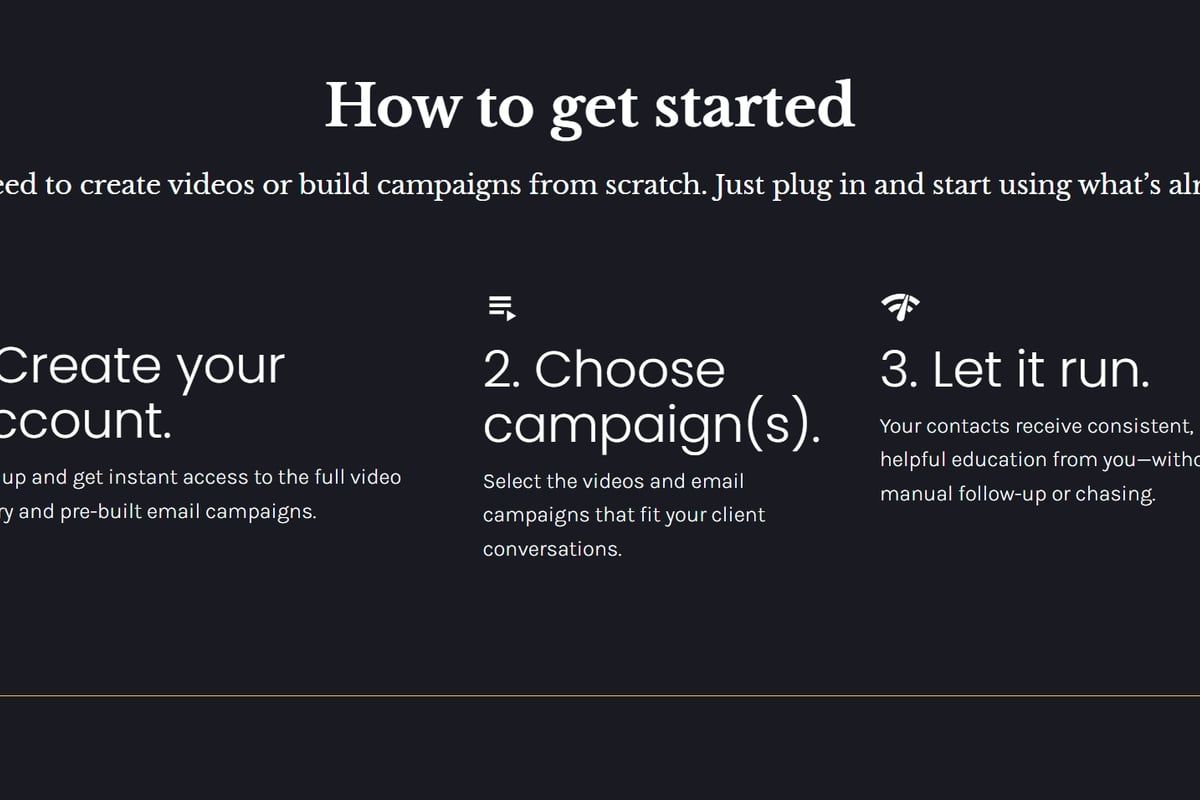
For agents who want a more structured approach to video-based client education, tools like the WebPrez Video Library provide pre-built content you can deploy immediately without creating everything from scratch.
The Smart Money System Approach to Insurance Agent Marketing
Here's what sets successful agents apart from those who struggle: they don't just market randomly. They have a structured framework that turns prospects into educated buyers.
This is where systematic client education becomes your competitive advantage. Instead of hoping prospects "get it," you guide them through a repeatable discovery process.
Discovery: Understanding Where They Are
Every prospect interaction starts with understanding their current situation, concerns, and goals. But most agents ask awkward, interview-style questions that put prospects on the defensive.
Better approach: Use tools that let prospects self-identify their priorities. When they fill out a questionnaire or assessment on their own terms, they're more open and honest. You get better information, and they feel more in control of the process.
This discovery phase informs everything that follows. You're not pitching products. You're identifying gaps and opportunities specific to their situation.
Snapshot: Showing Them What's Possible
Once you understand their situation, you need to illustrate what's at stake. Not with scare tactics, but with clear visualization of their current path versus optimized alternatives.
This is where your educational content does heavy lifting. You send a video that explains guaranteed income. You share a case study of someone in a similar situation. You provide a calculator that shows the compound effect of their decisions.
The snapshot creates urgency without pressure. They see for themselves what action (or inaction) means for their financial future.
Blueprint: Mapping the Path Forward
Finally, you present a concrete plan. Not a sales pitch. A step-by-step blueprint that shows exactly how to get from where they are to where they want to be.
This might include multiple products, staged implementation, or phased decisions. The key is clarity and personalization.
When prospects can see the full path, they're far more likely to commit. Uncertainty kills deals. Clarity closes them.
If you want to see how this framework works in practice, exploring the Smart Money Discovery process can give you a concrete example of systematic prospect education in action.
Building Strategic Partnerships and Referral Networks
The best source of new business for most insurance agents isn't marketing at all. It's strategic referrals from centers of influence who see your value firsthand.
But you can't just hope referrals happen. You need to engineer them.
Identifying Complementary Professionals
Who works with your ideal clients before they need you? Who works with them in parallel? Who works with them after?
For insurance agents and advisors, this typically includes:
- CPAs and tax professionals
- Estate planning attorneys
- Financial planners (if you're product-focused)
- Real estate agents
- Mortgage brokers
- Business consultants
The key is complementary, not competitive. You want professionals who serve the same clients but solve different problems.
Creating Referral Value (Not Just Asking for Referrals)
Here's why most referral requests fail: they're one-sided. "Send me your clients who need insurance."
Why would a CPA risk their client relationships by sending people to you? What's in it for them?
Better approach: Create value for their clients first. Offer to co-host educational seminars. Provide complimentary planning reviews for their top clients. Create content they can share with their audience.
When you make them look good and help their clients, referrals become natural. They're not doing you a favor. They're providing valuable resources to people they care about.

Systems for Tracking and Nurturing Partnerships
Partnership marketing fails when it's ad hoc. You have lunch with a CPA, you both say you'll send referrals, and then... nothing happens.
You need structure:
- Monthly touchpoints with key partners
- Shared educational resources you both promote
- Clear processes for making introductions
- Ways to measure and acknowledge referral value
Treat your referral partners like you treat your best clients. Regular communication, genuine appreciation, and demonstrated results.
Measuring What Actually Matters in Insurance Agent Marketing
Most agents track the wrong metrics. They obsess over website traffic, social media followers, or email open rates. None of that matters if it's not translating to appointments and applications.
Focus on these numbers instead:
| Metric | What It Tells You | Target Range |
|---|
| Marketing-sourced appointments | How many meetings come from marketing efforts | 30-50% of total |
| Content-to-consultation rate | % of content consumers who schedule meetings | 3-8% |
| Email engagement to appointment | % of email subscribers who become clients | 5-12% |
| Cost per acquisition | Total marketing spend ÷ new clients | Varies by product |
| Lifetime client value | Average premium × retention years | Benchmark against CAC |
Track these monthly. Adjust your efforts based on what's actually producing results, not what feels busy.
The 90-Day Marketing Sprint
If you're starting from scratch or rebuilding your insurance agent marketing approach, don't try to do everything at once. Run a focused 90-day sprint:
Month 1: Foundation
- Clarify your core message and ideal client
- Build or update your website with service-specific pages
- Create 10 pieces of educational content (videos, articles, or guides)
- Set up your email marketing system
Month 2: Distribution
- Launch your email nurture sequences
- Post consistently on your primary social channel
- Reach out to 20 potential referral partners
- Start running targeted ads (if budget allows)
Month 3: Optimization
- Review what's working and what's not
- Double down on high-performing channels
- Refine your messaging based on prospect feedback
- Document your systems for repeatability
After 90 days, you should have clear data on what generates appointments in your market. Then you scale what works and eliminate what doesn't.
For advisors who recognize they need consistent marketing output but don't have bandwidth to manage it themselves, the WebPrez Advisor Growth plan provides done-for-you campaign execution so prospects don't go cold while you're focused on serving clients.
FAQ: Common Insurance Agent Marketing Questions
How much should I spend on insurance agent marketing as a percentage of revenue?
Industry benchmarks suggest 5-10% of gross revenue for established agents, potentially 10-15% when you're building initial momentum. The key is tracking cost per acquisition and ensuring each marketing dollar generates positive ROI. Start small, measure results, and scale what works.
What's the single most effective marketing channel for insurance agents in 2026?
There isn't one universal answer because it depends on your niche and market. However, educational content paired with systematic follow-up consistently outperforms sporadic advertising across most insurance markets. The channel matters less than the system behind it.
How long does it take to see results from insurance agent marketing efforts?
Most agents see initial appointment increases within 30-45 days of implementing consistent marketing systems. Significant momentum typically builds over 90-180 days as your content library grows and your nurture sequences mature. Expect to invest 6-12 months before marketing becomes a predictable client acquisition engine.
Should I hire a marketing agency or do insurance agent marketing myself?
For most independent agents, the answer is "both, strategically." Handle the content creation and relationship building yourself (no one knows your clients like you do), but consider outsourcing execution elements like ad management, email automation setup, or content distribution. Your time is best spent on high-value client conversations, not technical implementation.
How do I create compliant insurance marketing content?
Work with your broker-dealer or compliance team to establish clear guidelines for what you can and cannot say. Focus on education rather than product promotion. Avoid performance claims, guarantees, or comparative illustrations without proper disclaimers. When in doubt, have it reviewed before publishing. Most compliance issues come from overpromising, not from educational content.
Making Insurance Agent Marketing Work for Your Practice
The difference between agents who thrive and those who struggle often comes down to systems. Not talent. Not luck. Repeatable systems that turn prospects into educated buyers.
You don't need to be on every platform. You don't need to spend thousands on ads. You don't need to become a marketing expert.
You need clarity about who you serve, systems for educating them at scale, and consistent execution over time. The agents winning in 2026 understand that effective marketing strategies aren't about hype or volume. They're about helping prospects make informed decisions.
Start with one system. Get it working. Then add another. Within six months, you'll have a marketing engine that generates appointments while you're focused on serving clients.
The question isn't whether insurance agent marketing works. It's whether you're willing to approach it systematically instead of sporadically.
Insurance agent marketing doesn't have to feel like throwing spaghetti at the wall. When you build systematic client education into your outreach, prospects actually engage instead of ghosting. WebPrez gives you the video library, campaign templates, and Smart Money System framework to turn complex financial concepts into clear client conversations - so you can focus on closing business instead of figuring out what to say next.